

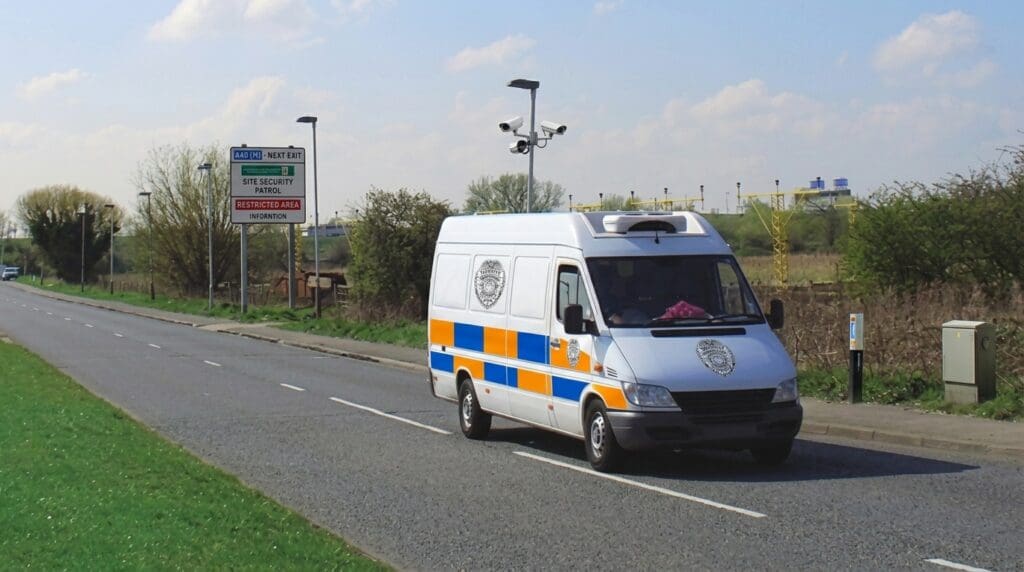
My first solo transport run for the treatment center taught me that the product was the easy part. I had the cooler, the sealed containers, and the route mapped, and I still almost got it wrong. Ten minutes out, my supervisor called to check that the manifest in my passenger seat matched the seed-to-sale record exactly, down to the vehicle plate and my own signature. It did not, because a last-minute order change had not synced. We fixed it before I pulled out of the lot, and I sat there realizing that a paperwork mismatch, not a robbery, was the thing most likely to cost us. Safe cannabis transport in Florida runs on two tracks at once, the legal one and the security one, and dropping either creates real exposure for the license and the people doing the driving.
If you operate or work with a licensed cannabis business in Florida, this blog post covers exactly how product moves safely and legally, including cannabis transport security Florida requirements, transportation manifests, two-person crews, and the security measures that protect high-value loads. Patients will find the short version here too.
Two Very Different Questions Hide in “Transporting Cannabis Safely”
The same question means two different things depending on who asks it. A patient driving home from a dispensary and a treatment center moving product between facilities face completely different rules, and mixing them up is where confusion starts.
Here’s how the two sides split:
For patients, the rules are short
If you are a qualified patient, safe transport comes down to a few clear rules. Buy only from a licensed MMTC, keep the product in its original sealed packaging, and store it in a secured part of the vehicle such as the trunk or glove compartment rather than the center console. Never use cannabis while driving or riding, since a valid card does not shield you from a DUI. Keep your Medical Marijuana Use Registry card and photo ID on you. That is the whole patient checklist, and following it keeps a routine trip routine.
For licensed operators, safe transport is a legal system
For a licensed operator, transport is not a checklist but a regulated system with legal weight behind every 0fstep. Florida law dictates who may be in the vehicle, what documentation rides along, how the product is secured, and what happens when something goes wrong. The stakes are higher because the cargo is larger, more valuable, and tied directly to a state license that noncompliance can jeopardize. The rest of this guide focuses on that operator side, where safe transport and legal compliance become the same task.
What Florida Law Requires for Licensed Cannabis Transport
Florida writes its transport rules into statute and administrative code, which means these are obligations rather than suggestions. An operator who understands them can build a transport program that survives an inspection and a bad day alike.
Here’s what the law puts on every transport run:
The transportation manifest
Under Florida Statute 381.986 and the Office of Medical Marijuana Use rules, an MMTC must keep a transportation manifest in any vehicle carrying cannabis, and that manifest has to be generated from the center’s seed-to-sale tracking system. It records the delivery vehicle’s license plate, make, and model, along with the name and signature of the staff member handling the delivery. The operator must also provide a copy of the manifest to every patient, testing laboratory, or treatment center that receives the delivery. This document is the spine of legal transport, because it ties the physical product to the state’s tracking record at every point.
Two-person crews and background screening
Florida requires an MMTC to keep at least two of its employees, or two employees of a security agency it contracts with, present during transport, and at least one person must remain in the vehicle while product is delivered to the recipient. Every employee, owner, and manager must first pass a Level 2 background screening, meaning fingerprint-based state and national criminal history checks, before handling product. Staff carry photo identification while working. That “two employees of a security agency” language matters, because it is the statute’s own recognition that professional security has a direct role in lawful transport.
The Security Side of Safe Cannabis Transport
Compliance keeps a transport run legal, but security keeps it safe, and cannabis transport security in Florida lives exactly where those two meet. The statute’s two-person rule sits right at that intersection. A cannabis load in transit is one of the most exposed moments in the entire supply chain.
Here’s why security belongs at the center of transport planning:
Why cannabis in transit is a high-value target
Cannabis operations run heavy on both product value and cash, since federal banking limits still push much of the industry toward cash transactions. A transport vehicle can carry tens of thousands of dollars in product along a route that, without discipline, becomes predictable to anyone watching. Fixed schedules, marked vehicles, and lone drivers all raise the risk. Criminals target what is valuable, portable, and exposed, and cannabis in transit checks all three boxes, which is exactly why the state built a personnel requirement into the law.
How trained security officers protect a transport operation
Trained security officers turn the statutory minimum into real protection. They keep product in secured, locked containers, vary and plan routes to avoid predictability, maintain one officer with the vehicle at every stop, and provide a visible deterrent that discourages an approach before it starts. Licensed officers also know how to respond to an incident without escalating it into a loss of life or product. A professional partner offering cannabis security and transport services can supply the two-person coverage the statute requires while adding the training and route discipline that keep a run genuinely safe rather than merely compliant.
Chain of Custody and Loss Reporting
Safe transport does not end when the vehicle arrives. Florida holds operators accountable for tracking product through every hand-off and for reporting quickly when something goes missing. Documentation is what protects the license when questions come later.
Here’s what accountability looks like end to end:
Documenting every hand-off
A clean chain of custody means the manifest, the tracking record, and the physical product all agree at every transfer point. Each recipient gets a manifest copy, tamper-evident containers stay sealed until delivery, and staff log every hand-off against the seed-to-sale system. This discipline does more than satisfy an inspector. It gives the operator a defensible record if a discrepancy ever surfaces, turning a potential violation into a documented, explainable event.
The 24-hour theft and loss reporting rule
Florida requires an MMTC to report the theft, diversion, or loss of cannabis to local law enforcement within 24 hours of becoming aware of it. That short window rewards operators who maintain tight custody, because a discrepancy caught early is a discrepancy you can report on time. Fast, accurate reporting protects the license and demonstrates the kind of control regulators expect. Weak custody, by contrast, leaves an operator explaining a gap they cannot account for, which is a far worse position with the department.
Building a Compliant Transport Operation in South Florida
Bringing the legal and security sides together is what separates a transport program that merely meets the letter of the law from one that actually protects product, people, and the license. In practice, the two are inseparable.
Here’s how operators put it together:
Where compliance and security meet
The statute sets the floor: a manifest, two screened people, secured product, and prompt reporting. Security makes that floor solid. Trained officers execute the two-person requirement while adding route planning, container discipline, and incident response that the statute assumes but does not spell out. An operator who treats compliance and security as one program, rather than two separate boxes, ends up with transport that holds up under both a robbery attempt and a state audit.
Working with a licensed security partner
Because Florida expressly allows an MMTC to meet its personnel requirement with employees of a contracted security agency, partnering with a licensed firm is a built-in option rather than a workaround. The right partner supplies screened, uniformed officers who understand cannabis transport, cover the required crew positions, and bring the discipline that keeps high-value loads moving safely across Miami-Dade, Broward, and the wider region. For many operators, that partnership is the most direct path to transport that is safe and compliant at once.
Frequently Asked Questions
Can you transport medical marijuana in your car in Florida?
Yes, if you are a qualified patient with a valid Medical Marijuana Use Registry card. Keep the product in its original sealed packaging from a licensed MMTC, store it in a secured area like the trunk, and never consume it while driving. Doing so can still result in a DUI charge.
What is a marijuana transportation manifest?
It is a document Florida requires in every MMTC vehicle carrying cannabis, generated from the center’s seed-to-sale tracking system. It lists the vehicle’s plate, make, and model, and the delivering staff member’s name and signature. A copy must go to each recipient of the delivery.
How many people are required in a cannabis transport vehicle in Florida?
Florida requires at least two people during transport, either two MMTC employees or two employees of a contracted security agency. At least one of them must remain in the vehicle whenever product is being delivered to a recipient. All must pass Level 2 background screening.
Can a security company transport cannabis in Florida?
A licensed security agency cannot hold the cannabis license itself, but Florida law expressly lets an MMTC meet its two-person transport requirement using employees of a security agency it contracts with. This makes professional security a direct, lawful part of many cannabis transport operations.
What happens if cannabis is stolen during transport?
The MMTC must report the theft, diversion, or loss to local law enforcement within 24 hours of becoming aware of it. Maintaining a tight chain of custody helps operators detect and report incidents quickly, which protects the license and demonstrates regulatory compliance.
Move Product Safely, Stay Compliant, Protect Your License
Safe cannabis transport in Florida is where compliance and security become the same job. The manifest, the two-person crew, the secured containers, and the reporting rules all point toward one goal, which is moving valuable product without losing it or the license that allows it. Getting there takes both a clear grasp of the law and officers trained to execute it.
Almond Tree Security Services provides licensed, screened officers for cannabis operations across Miami-Dade, Broward, and Monroe County, covering the crew positions Florida requires and the route discipline that keeps loads safe. If you want to talk through a transport plan, take a look at our cannabis security and transport services and reach out whenever you like. No pressure either way.